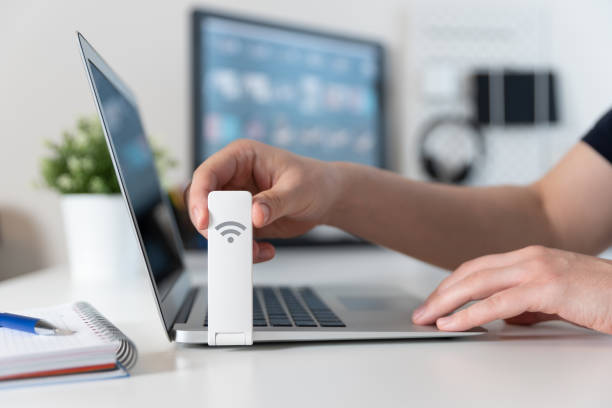
Reliable internet access has become an essential part of modern travel. Whether you are navigating unfamiliar cities, booking transport, attending remote meetings, or staying connected with family and friends, a stable connection is no longer optional. However, relying on roaming services or public WiFi often leads to high costs, security risks, and inconsistent performance.
A portable WiFi device for travel provides a practical solution by offering private, flexible, and mobile internet access anywhere with cellular coverage. These devices create a personal hotspot that can connect multiple devices at once, making them ideal for international travelers, business professionals, students, and digital nomads.
Choosing the right portable WiFi device requires understanding key features, performance factors, and usage needs. This guide explains the most important points to consider when selecting a reliable travel internet solution.
Point 1: Understand Your Travel Internet Requirements
Before selecting a device, identify how you will use the internet during your trip.
Consider:
- Whether you are traveling for business, leisure, or long term stay
- Whether you need basic browsing or high bandwidth tasks like streaming or video calls
- Whether you are traveling alone or with multiple people
- Whether you need internet across one country or multiple regions
Your usage pattern determines the type of device and data plan you should choose.
Point 2: Check Global Coverage Capability
One of the most important features is international coverage.
A good portable WiFi device should offer:
- Multi country connectivity
- Strong carrier partnerships
- Automatic network switching
- 4G or 5G support across regions
Global coverage ensures uninterrupted internet access during international travel.
Point 3: Evaluate Network Technology and Speed
Speed directly impacts your online experience.
Look for devices that support:
- 4G LTE for stable performance
- 5G for high speed connectivity
- Low latency for video calls and online work
Higher speeds are essential for:
- Remote work
- Video conferencing
- Cloud applications
- Streaming services
Point 4: Consider Battery Life for All Day Use
Battery performance is critical when traveling.
A reliable portable WiFi device should provide:
- 8 to 15 hours of active use
- Fast charging support
- Power saving modes
Long battery life ensures connectivity throughout travel days without frequent charging. A portable wifi device for travel ensures flexible and reliable internet access while traveling.
Point 5: Check Multi Device Connectivity Support
Modern travelers use multiple devices simultaneously.
A good device should support:
- Smartphones
- Laptops
- Tablets
- Smart devices
Benefits include:
- Shared internet access
- Reduced need for multiple SIM cards
- Better value for groups or families
Point 6: Compare Data Plan Flexibility
Data plans play a major role in overall cost and convenience.
Look for options such as:
- Daily plans for short trips
- Weekly plans for vacations
- Monthly plans for extended stays
- Regional or global data packages
Flexible plans help avoid overpaying for unused data.
Point 7: Look for Easy Setup and User Friendly Design
A travel device should be simple to operate.
Ideal features include:
- One click activation
- Simple WiFi connection process
- Mobile app support for management
Ease of use ensures quick setup even for non technical users.
Point 8: Evaluate Portability and Design
Since the device is used during travel, portability matters.
Choose a device that is:
- Lightweight and compact
- Easy to carry in a pocket or bag
- Durable for frequent travel
A portable design ensures convenience on the move.
Point 9: Check Security Features
Security is one of the main advantages of portable WiFi.
Look for:
- Password protected networks
- Encrypted data transmission
- Private connection environments
This protects sensitive information such as:
- Banking details
- Work files
- Personal communications
Point 10: Consider Real Time Data Monitoring
Good devices offer tools to track usage.
Features include:
- Live data consumption tracking
- Device usage monitoring
- Alerts for low data
This helps users manage internet usage effectively during travel.
Point 11: Compare SIM Based and Cloud SIM Technology
Portable WiFi devices use different technologies.
SIM Based Devices
- Require physical SIM cards
- May need manual switching in different countries
Cloud SIM Devices
- Use virtual SIM technology
- Automatically connect to available networks
- More suitable for international travel
Cloud SIM systems offer greater convenience for frequent travelers.
Point 12: Check Network Stability and Reliability
Stable connection is more important than speed alone.
Look for devices with:
- Automatic network switching
- Strong signal optimization
- Reduced disconnection rates
This ensures smooth internet access in different environments.
Point 13: Evaluate Customer Support and Service
Good support is essential for travel devices.
Look for providers offering:
- 24 hour customer service
- Online chat support
- Clear troubleshooting resources
Reliable support helps resolve issues quickly while abroad.
Point 14: Compare Cost Effectiveness
Portable WiFi should be cost efficient compared to roaming.
Consider:
- Device price
- Data plan pricing
- International roaming alternatives
The goal is to reduce total travel internet expenses while maintaining quality.
Point 15: Choose Based on Travel Type
Different travelers have different needs.
Business Travelers
Need high speed, stable connections for meetings and cloud tools
Tourists
Need simple navigation and communication access
Remote Workers
Need long term stable connectivity
Families and Groups
Need multi device support and shared access
Matching device features to travel type ensures better performance.
Benefits of Choosing the Right Portable WiFi Device
- Reliable internet access anywhere
- Lower roaming costs
- Secure private connectivity
- Multi device support
- Flexible usage options
- Better travel convenience
Who Should Use Portable WiFi Devices
Portable WiFi is ideal for:
- International travelers
- Business professionals
- Digital nomads
- Students abroad
- Frequent flyers
- Remote workers
Future of Portable Travel Connectivity
Portable WiFi technology continues to evolve with improvements such as:
- Wider global 5G coverage
- AI based network optimization
- Longer battery life
- Smarter data management
- More affordable global plans
These advancements will further improve travel connectivity experiences.
Conclusion
Choosing a portable WiFi device for travel requires careful consideration of coverage, speed, battery life, security, and data flexibility. A well selected device provides reliable, secure, and cost effective internet access anywhere in the world.
By evaluating these key points, travelers can ensure they stay connected smoothly and efficiently throughout their journeys, no matter where they go.